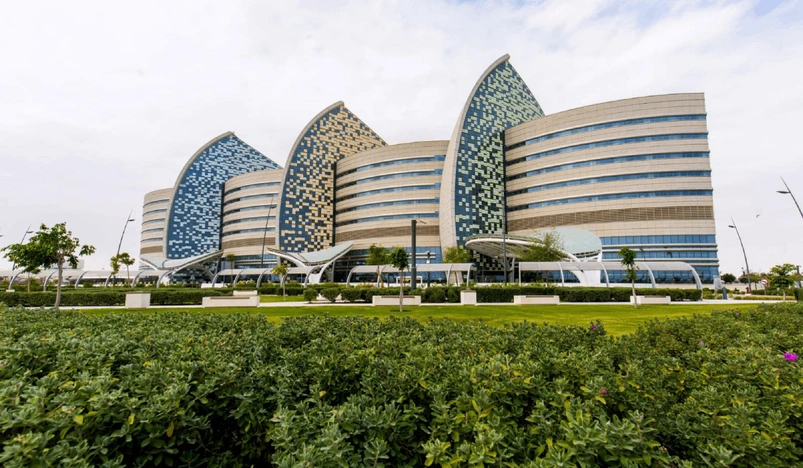
Sidra Medicine and King’s College London publish a major genetic study mapping large DNA changes in Qataris, linking them to health and disease.
Sidra Medicine Study Delivers Most Detailed Genetic Map Yet of Qatari Population
Doha: A groundbreaking Sidra Medicine Qatari genome study, carried out in collaboration with King’s College London, has produced the most detailed map so far of large-scale genetic differences in the Qatari population.
The research, funded by the Qatar Research, Development and Innovation Council, offers a clear look at genetic diversity among Arab populations and how these differences connect to health and disease.
Filling a Major Gap in Global Genetic Research
Prof. Khalid Fakhro, Chief Research Officer at Sidra Medicine and lead investigator of the project, said global genome databases have grown rapidly over the past decade. Yet people of Arab ancestry remain under-represented.
He explained that this gap means many genetic features in Arab populations are still poorly understood, which could affect the future of genetic-based healthcare.
So what happens when Arab genomes finally get the attention they deserve? This study gives an early answer.
Beyond Small DNA Changes
Earlier Qatar genome study projects mostly focused on small DNA differences, often involving just one or two genetic “letters.”
While these changes matter, scientists say they only tell part of the story.
The new research, published in Nature Communications, delivers the first full analysis of structural variants DNA changes in Qataris. These are large sections of DNA that may be missing, copied, or rearranged.
Because these variants span long stretches of genetic material, they often have a stronger effect on human health.
Analysis of More Than 6,000 Qatari Genomes
Researchers examined genetic data from more than 6,000 Qataris.
They mapped where these large DNA changes appear, how common they are across the country’s five main sub-populations, and how they connect to detailed health records from the Qatar Biobank, including blood and metabolic data.
The results revealed more than 150,000 structural variants, with over 12,000 affecting genes that give instructions for making proteins.
Many of these genes are tied to heart health and diabetes, which matches the higher rates of metabolic and cardiovascular conditions seen in the population.
Clear Links to Health and Disease
Dr. Mario Falchi, Reader in Computational Medicine at King’s College London and co-senior author of the study, said large DNA changes have long been difficult to study, even though they play a major role in human biology.
He noted that the project has created the most detailed map of these variants in Arab populations, offering a clearer view of regional genetic diversity and opening new paths for precision medicine Qatar efforts.
Could this shift how genetic screening works across the region? Many researchers believe so.
Unique Insights from Family-Linked Genetics
The scientists also highlighted how higher levels of shared ancestry within families offered a rare chance to observe what happens when the same DNA deletion is inherited from both parents.
They identified more than 180 genes that had completely lost their function through this process. Blood tests also showed that when these genes were lost, the proteins they normally produce were missing as well.
These findings show why studying closely related populations can reveal details about human genetics that are harder to detect elsewhere.
Qatar Genome Program’s Growing Global Role
The work builds on the efforts of the Qatar Genome Program, which has helped place Arab genomes into global research databases.
Through the Qatar Biobank, health information from more than 40,000 Qataris has been paired with large-scale genetic data, giving scientists a rich resource for studying disease, risk factors, and future therapies.
As Sidra Medicine research continues to expand, experts say studies like this are not just about data. They are about people, families, and building healthcare shaped around the region’s true genetic picture.
And maybe the biggest question now is this: how many medical answers have been waiting in these genomes all along?