Alina Amir breaks silence on viral video scandal
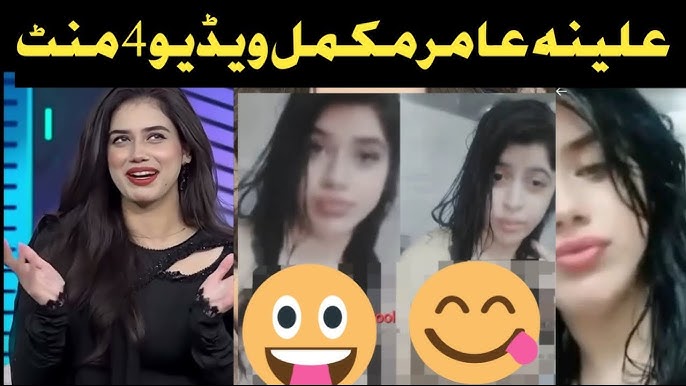
In the age of rapid digital consumption, news travels faster than ever, but so does misinformation. Recently, the Pakistani digital landscape has been rocked by a massive controversy involving a popular social media personality. The Alina Amir Viral Video trended across almost every major search engine and social media platform, sparking a debate about privacy, technology, and the ethics of internet culture. Known to the masses as the Sarsarahat Girl, Alina Amir has found herself at the center of a storm that highlights the dangerous intersection of fame and digital malice.
The Origins of the “Sarsarahat Girl”
Before delving into the details of the Sarsarahat Girl Scandal Reality, it is essential to understand who Alina Amir is. She rose to prominence through her creative and sometimes polarizing content on TikTok and Instagram. Her claim to fame was a specific video where she performed a dialogue that eventually became a meme: “Meri Body Mein Sensation Hota Hai Original Video.”
Her unique expressions and the words “Sarsarahat,” “Sansanahat,” and “Gudgudahat” earned her the nickname “Sarsarahat Girl.” While she enjoyed millions of views and a loyal fan base, this same fame made her a prime target for those looking to exploit her image for clicks and views.
The Emergence of the “Alina Amir Leaked MMS”
The controversy began when several shady websites and social media accounts started claiming they had access to an Alina Amir Leaked MMS. Within hours, the news spread like wildfire. Keywords like Alina Amir Full Video Telegram and Alina Amir New Video Link began to dominate search trends.
However, upon closer inspection by digital experts, it became clear that the video being circulated was not what it claimed to be. The footage lacked the natural movements and facial consistency of a real video, leading to the revelation that this was actually an Alina Amir AI Deepfake Video.
The Menace of AI Deepfake Technology
The Alina Amir AI Deepfake Video is a classic example of how modern technology can be weaponized. Deepfake technology uses Artificial Intelligence (AI) to overlay one person’s face onto another’s body with startling realism. In this case, malicious actors used Alina’s existing photos and videos to train an AI model and create a fake, explicit video.
This isn’t just a “viral trend”; it is a form of digital violence. The Alina Amir Twitter Trend showcased how easily the public can be misled by high-tech fabrications. Instead of questioning the authenticity, thousands of people rushed to find the Alina Amir New Video Link, inadvertently supporting the harassment of a young content creator.
Alina Amir’s Official Statement and Response
Unlike many who go into hiding during such controversies, Alina Amir chose to fight back. In a detailed Alina Amir Instagram Statement, she addressed her followers with courage. She categorically denied the authenticity of the video, explaining the technicalities of how her face was morphed.
She stated that the Sarsarahat Girl Viral Video currently circulating is a total fraud designed to tarnish her reputation. Furthermore, she took legal action by reporting the matter to the Punjab Cyber Crime Department (FIA). Her appeal to Chief Minister Maryam Nawaz highlighted a growing concern in Pakistan: the lack of strict regulations against AI-generated harassment.
The Risks of Searching for “Alina Amir Full Video”
While curiosity is human nature, searching for terms like Alina Amir Full Video Link or Alina Amir Leaked MMS carries significant risks for the users themselves.
- Phishing Scams: Most links promising the “Full Video” are traps. They lead to phishing pages that ask for your Facebook or Google login details, leading to account theft.
- Malware and Spyware: Clicking on a Alina Amir New Video Link from an unverified source can automatically download “Keyloggers” or “Spyware” onto your phone, allowing hackers to see your private messages and bank details.
- Legal Consequences: In many jurisdictions, possessing or sharing non-consensual explicit content (even if it’s AI-generated) is a punishable offense.
The Social Media Reaction: Twitter and Telegram
The Alina Amir Twitter Trend was a mix of two extremes. On one side, there were “bot” accounts and trolls spamming the Alina Amir Full Video Telegram links to drive traffic to their channels. On the other side, many fans and activists came out in support of Alina, using the hashtag to raise awareness about the dangers of Deepfakes.
The role of Telegram has been particularly problematic. Due to its relaxed moderation policies, Telegram became the primary hub for the distribution of the Alina Amir Viral Video. This has led to renewed calls for better international cooperation in taking down harmful digital content.
Conclusion: Lessons from the Sarsarahat Girl Scandal
The Sarsarahat Girl Scandal Reality is a wake-up call for every internet user. It proves that we can no longer believe everything we see on our screens. The Alina Amir Viral Video was not a “leak” but a manufactured lie, created by a machine and fueled by human curiosity.
As we move forward, it is crucial to:
- Verify the source before sharing any “viral” content.
- Understand that behind every “trend” is a real person with a family and a life.
- Report malicious links instead of clicking on them.
Alina Amir’s bravery in issuing an Alina Amir Instagram Statement has set a precedent for other influencers. The digital world is evolving, and while AI offers great benefits, the Alina Amir AI Deepfake Video incident serves as a dark reminder of its potential for harm.